≡FEATUREFOODMEDICAL & BEAUTYTRAVELSTUDYBUSINESSEVENTSTIPS & GUIDESBLOGMAGAZINE
AD

Buying and selling of damaged and used cars in the PhilippinesTAU CORPORATION – PHILIPPINE BRANCH OFFICE
December 04, 2015
10 Common Filipino Words Expats Can Use to Talk Like a Local
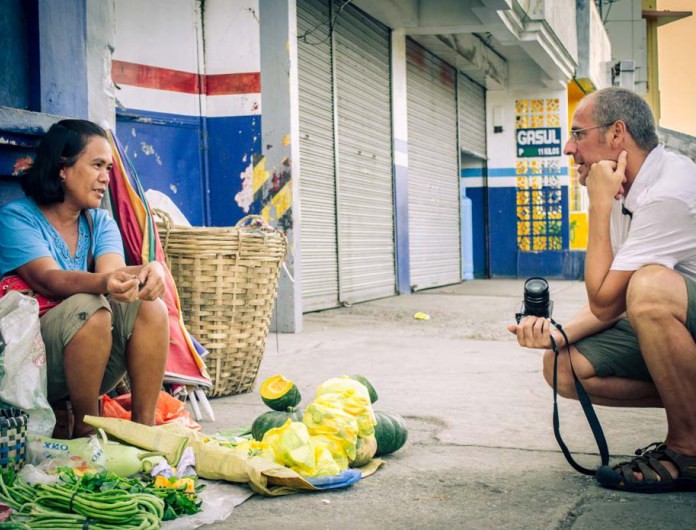
Language barrier has always been a hurdle for expats living in a foreign country. The best way to make communication easier for a foreigner and a local is learning the local language. Learn some local words and they will appreciate you for it! Here are 10 common Filipino words you can use to help your conversations with a local easier:
Kamusta (also kumusta)
When starting a conversation, the daily greetings “Magandang Umaga” (Good morning), “Magandang Hapon”(Good afternoon), and “Magandang Gabi” (Good evening), are almost always followed by the Tagalog word “Kamusta” which translates to—How are you? in English. To know how a local is doing, you can say: Kamusta ka? (How are you?)
ADVERTISEMENT
Oo/ Hindi
Usual conversations include questions answerable by a yes or no. In Filipino, “oo” means yes while “hindi” means no. For example, when asked if you are coming to the party, you can say “Oo, I’m coming.” (Yes, I’m coming.) or “Hindi, I’m not”. It’s okay to mix Filipino words with English expressions as the locals also do it.
Ewan
When having no idea what to reply in a conversation or a question, you can use the Filipino word “Ewan” that means I don’t know in English. For example, if someone asks you how much a Rolex watch is and you are absolutely clueless about its price, you can simply say: “Ewan.” (I don’t know) Avoid raising your voice or stressing the word though as it might come off as impolite or brash.
Teka
If someone is in a hurry but you still need some time to talk to him/her further, you can say “Teka” that means wait or hang on in English. For example, when someone says “I have to go,” you can reply “Teka, I have something to say.”(Wait, I have something to say.)
Bakit
When already in a deep conversation, you might have some follow-up questions regarding why a certain thing happened. “Bakit” is the Filipino term for the question word why. So you can simply ask, ‘Bakit?’ when you are wondering about the reason for something.
Magkano
“Magkano” is the Filipino term for How much? If you want to buy something, example, a bag and are wondering about its price, say: “Magkano?” (How much is this bag?)
Maraming salamat
Having an attitude of gratitude is appreciated in all cultures. Locally, you can express this by saying ‘Maraming salamat’ which is the equivalent of Thank you very much. A simple ‘Salamat’ will also do as it means Thank you.
Patawad po
“Patawad po” is used when you want to ask for forgiveness to someone in case you did something wrong. It is the Filipino way of saying I’m sorry deeply. For example, you bumped into someone unintentionally, you can say: “Patawad po.” (I’m sorry.)
Opo
To further adapt to the Filipino traditional conversation, expats must learn to use this honorific Filipino term. “Opo” is used when talking to someone older or someone with a higher rank. It is a more respectful term to say ‘yes’ compared to “Oo.” For example, when asked the question: “Pupunta ka ba sa pagdiriwang?” (Are coming to the party?). You can answer: “Opo.” (Yes.)
Para
This Filipino term is useful when you are riding a jeepney or a tricycle. When you have reached your destination and you want the driver to stop, you can say “Para.” This will signal the driver that you want to get off the vehicle. For example, if you are going to a shopping mall and you have noticed that it’s time for you to get off the jeepney, simply say: “Para.” (Please stop.

